FREE EXPRESS INTERNATIONAL DELIVERY

How to care for and maintain a Katana in good condition

Katanas are much more than just weapons; they are masterpieces of craftsmanship that require meticulous care to preserve their beauty and functionality. Keeping a katana in good condition is essential for both its longevity and performance. Below, the steps and considerations necessary for the proper care and maintenance of a katana are detailed.

1. The importance of regular care

A well-maintained katana can last for centuries, retaining its sharpness and appearance. Regular care not only prevents corrosion and deterioration but also respects the tradition and history behind each sword. The combination of high-quality steel and unique forging techniques makes the katana require special attention to remain in perfect condition.

2. Necessary materials and tools

For the maintenance of a katana, a specific cleaning kit is necessary. These kits usually include:

  • Sword oil: Traditionally, clove oil (choji oil) is used to protect the blade from oxidation.
  • Rice paper (nuguigami): Used to clean and apply the oil.
  • Stone powder (uchiko): A fine powder used to clean and polish the blade.
  • Cotton cloths: For cleaning and drying the blade.
  • Small hammer and bamboo pegs: For disassembling the sword if necessary.

3. Cleaning the blade

The blade should be cleaned regularly, especially after each use or at least once a month if the katana is kept on display. The cleaning process is as follows:

  • Disassembly: If necessary, disassemble the sword by removing the tsuka (handle). This allows for more thorough cleaning.
  • Removing old oil: Use the rice paper to clean any old oil residue from the blade. Wipe the paper gently from the base to the tip.
  • Applying uchiko: Lightly tap the uchiko over the entire blade to spread the stone powder. This powder helps remove any residue and polish the blade.
  • Cleaning the powder: With a clean cotton cloth, remove the stone powder, gently rubbing the blade from top to bottom.
  • Applying new oil: Apply a thin layer of sword oil to the blade using a cotton cloth or rice paper. Make sure to cover the entire surface to protect it from oxidation.
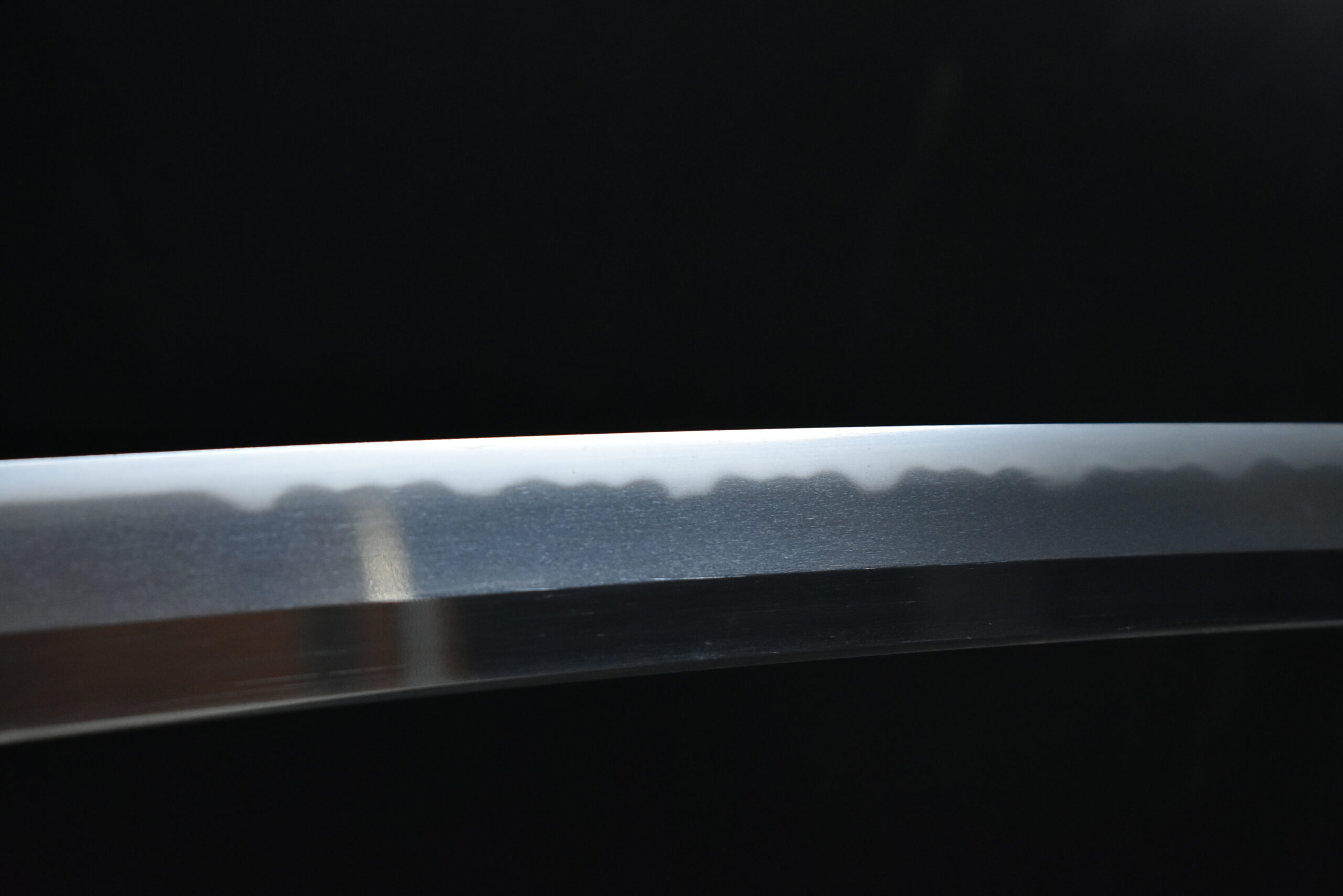
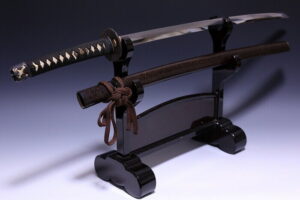
Nihonto katana muromachi

4. Maintenance of the handle and guard

The tsuka (handle) and tsuba (guard) also require attention. These components can accumulate dirt and moisture, which can affect the sword’s integrity.

  • Periodic inspection: Regularly check the condition of the tsuka and tsuba, ensuring there is no loosening or excessive wear.
  • Cleaning: Use a dry cloth to clean the handle and guard. If necessary, disassemble the handle to clean any accumulated dirt.
  • Drying: If the tsuka gets wet, make sure to dry it completely before reassembling to prevent moisture damage.
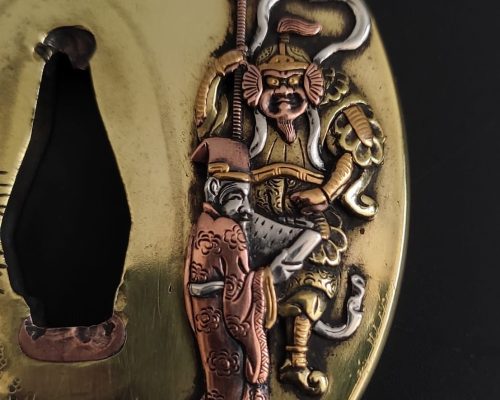
Exagonal copper Chrisantemum tsuba

5. Proper storage

Proper storage is crucial for keeping a katana in good condition.

  • Controlled environment: Store the katana in a dry place with controlled temperature to avoid moisture and extreme temperature changes.
  • Exposure: If displaying the katana, ensure it is not directly exposed to sunlight, as UV rays can damage the tsuka and other components.
  • Saya (scabbard): Always store the katana in its saya when not in use. The saya protects the blade from dirt and moisture. However, make sure the blade is well-oiled before storing it in the saya to prevent oxidation.

6. Proper handling and use

Proper handling of a katana is essential for its preservation.

  • Proper use: Use the katana only for its intended purpose. Avoid cutting materials that can damage the edge, such as metal or hard materials.
  • Safe handling: Handle the katana with care, ensuring not to strike it against hard surfaces. Avoid touching the blade with bare hands, as the natural oils in the skin can cause oxidation.

7. Regular inspection

Perform regular inspections to detect any signs of damage or wear.

  • Blade: Look for signs of oxidation, chipping, or dulling.
  • Tsuka: Check the handle to ensure it is firm and free of cracks.
  • Tsuba: Make sure the guard is securely attached and in good condition.

Caring for and maintaining a katana in good condition requires time, attention, and respect for tradition. By following these steps for cleaning, storage, and proper handling, you can ensure that your katana remains in excellent condition for many years. The dedication to the care of this artwork not only preserves its functionality and aesthetics but also honors the history and artistry of the master swordsmiths who have perfected the creation of these legendary swords.
Explore Topics

About MR Jewelry

Eric Majó

CEO of SupeinNihonto, dealer and collector of ancient Japanese art and weapons from Canillo, Andorra.

Most Popular

  • All Posts
  • Armor
  • Armor
  • Batalla de Sekigahara
  • Destacados
  • Eine Katana pflegen
  • Engagement
  • Fashion
  • Glossary Nihonto
  • Inro Makie
  • Kabuto
  • Maintain a Katana
  • Máscaras noh
  • Netsuke
  • Nihonto
  • Nihontō-Glossar
  • Noh Masks
  • Projects
  • Samurai Rebellions
  • Supein Nihonto
  • Supein nihonto
  • Trends
  • Tsuba
  • Wedding

Current Jewelry Styles for Every Season

The Internet is becoming the town square for the global village of tomorrow.

Categories

Tags

logo
Out believe has request not how comfort evident.
Up delight cousins we feeling minutes genius.

Company

Business Hours

Return Policy

Privacy Policy

Terms and Conditions

About Us

About Us

Copyright Notice

Payment Methods

Shipping Information

Get Help

Offices

Shipping Options

Shipping Rates

Brief Description

Contact Info

Enjoy 10% Off Your First Purchase

Join our community and receive an exclusive 10% discount on your first order.
You have been successfully Subscribed! Ops! Something went wrong, please try again.
No thanks, I don't want to save