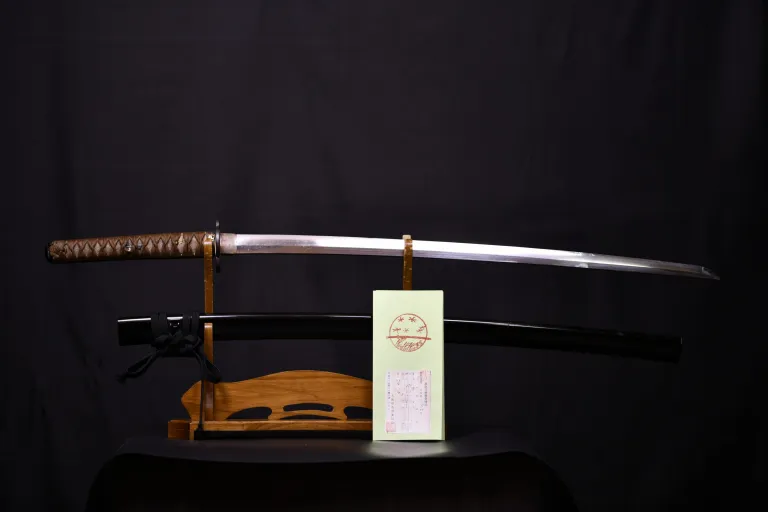
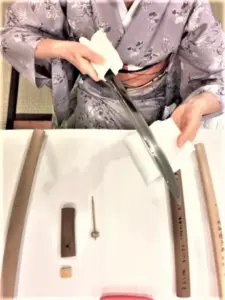
Craftsmanship: The making of a katana is a sophisticated art form with centuries of history. The processes of forging, folding, and tempering are critical to its quality. The precision and skill of the smith can make a katana extremely rare and valuable.
Rarity: Those forged by legendary smiths often reach astronomical prices. The rarity of the materials used can also significantly increase the sword’s value, although in many cases they do not increase the quality of the katana and are even counterpuducent in their mix of metals, they are considered very exotic. Nihontos with nanban steel began to be produced when Europeans arrived on Japanese shores hundreds of years ago bring in their own metal. There are also swords forged from meteorite steel, for example.
Provenance: The history of a katana and its previous owner can greatly impact its value, especially if it once belonged to a renowned samurai or a significant historical figure.
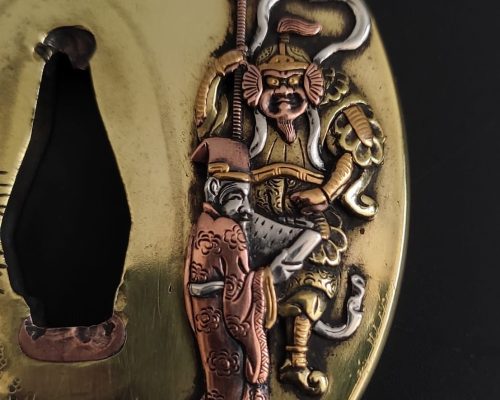
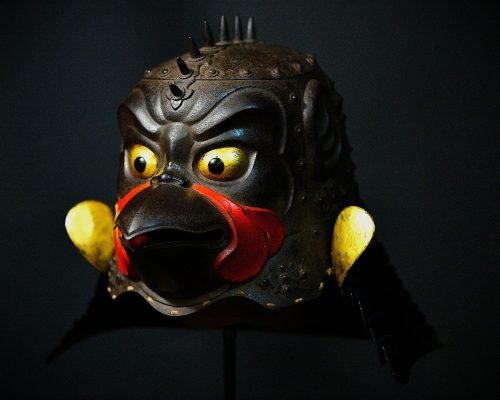
Aesthetic Appeal: While all katanas have some aesthetic value, those with intricate designs, exceptional materials, and beautiful craftsmanship are highly sought after by collectors, adding considerable worth. Unusual shapes or horimonos and other engravings make the blade more showy and spectacular, and although it is not to the taste of all collectors, are highly appreciated among most for its spectacularity.
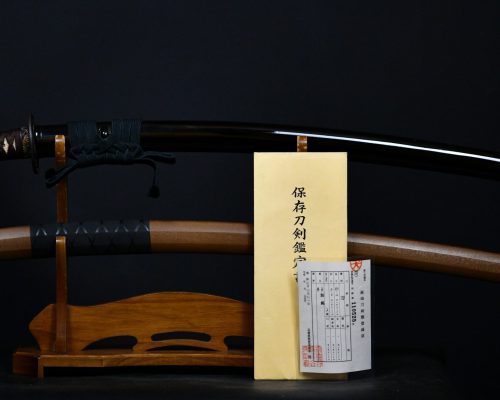
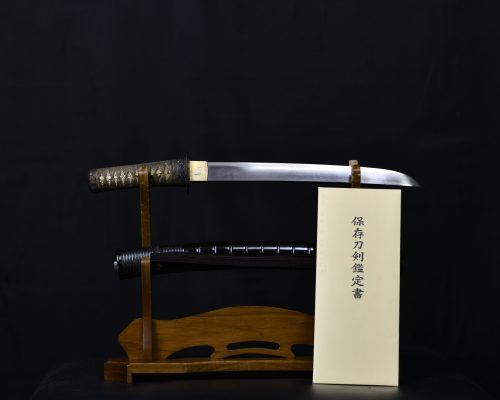
Authenticity: This is the most important point of course. Evidently a real nihonto sword will always hold artistic value while a modern reproduction or an imitation of the 20th century of those manufactured in China and other parts of Asia have hardly any decorative value. The latter manufactured in large quantities and imported in thousands have no artistic value or quality enough to be considered pieces of art. An authentic nihonto will always have value and is more than likely to be revalued during the years or times of economic boom. Any piece even of a relatively low value is always better than a reproduction and it is always better to wait until you have more money than to go for a copy, in some cases matching the price of smaller authentic nihonto, such as Wakizashis or Tantos. For inexperienced eyes or amateur collectors it is essential to go to reliable websites and professionals as it is sometimes easy to fall into the trap of old Asian reproductions of the twentieth century that already have some patina and could look real to the untrained eye. An authentic nihonto is always Japanese and is always made with traditional forging methods, regardless of the century in which it was made.