FREE EXPRESS INTERNATIONAL DELIVERY

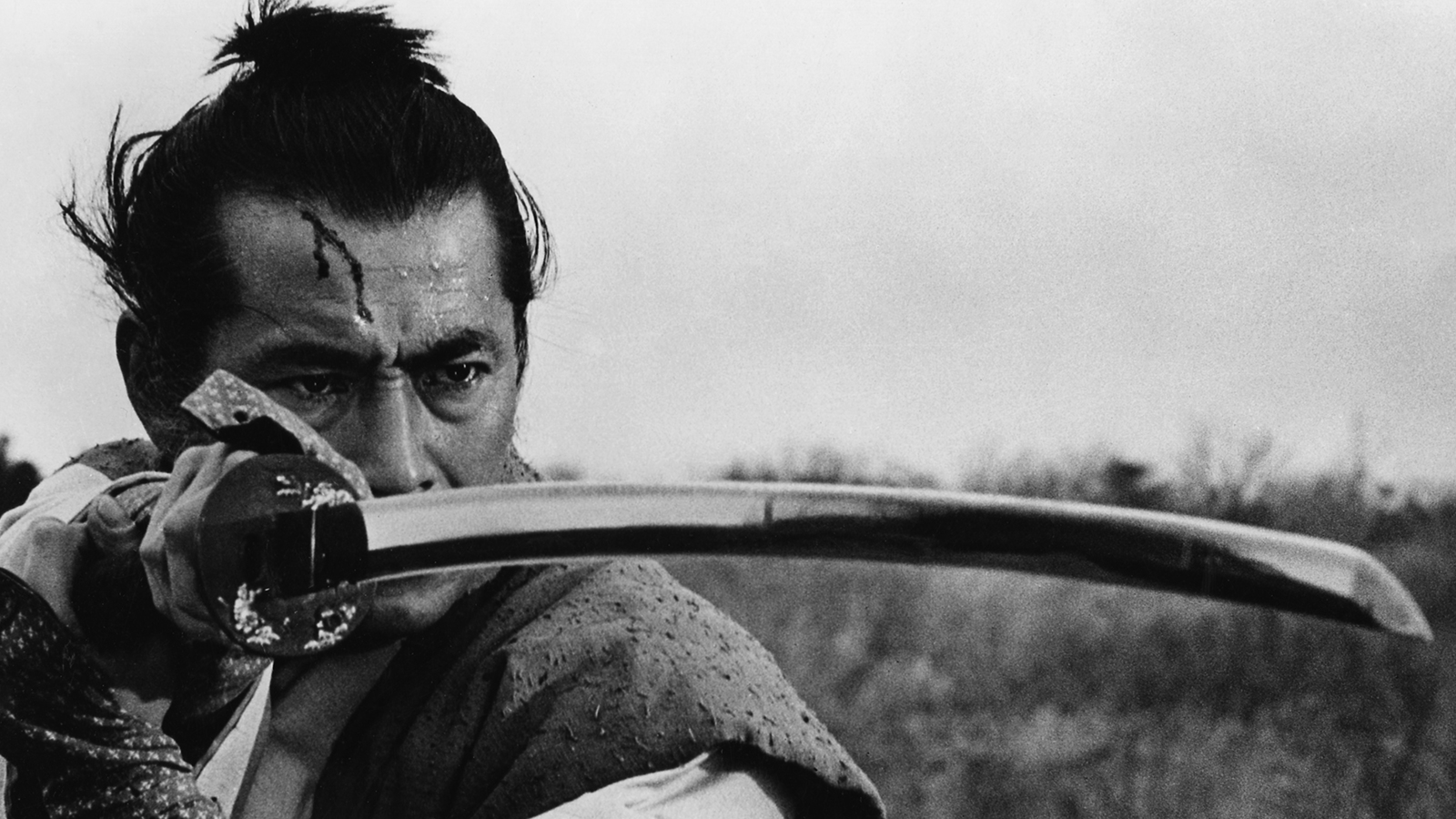
For centuries, the samurai dominated politics and warfare in Japan, upholding a way of life based on the Bushido code, which emphasized honor, loyalty, and sacrifice. However, with the arrival of the Edo period (1603-1868) and the subsequent modernization of Japan during the Meiji era (1868-1912), the relevance of the samurai began to fade. In a final attempt to preserve their place in society, the samurai led several uprisings against the central government.
Among these, the Shimabara Rebellion (1637-1638) and the Satsuma Rebellion (1877) stand out as key events that marked the decline of the warrior class in Japan.
In the 17th century, Japan was under the control of the Tokugawa shogunate, a regime that sought to consolidate its power and eliminate any threats to its authority. At the same time, Christianity, which had grown in influence due to European missionaries, became a serious concern for the government. The Christian faith was outlawed, and persecution intensified across the country.
One of the strongest centers of resistance was the Shimabara region, where impoverished peasants, persecuted Christians, and dispossessed samurai united in revolt against the shogunate. Led by Amakusa Shiro, a 16-year-old charismatic leader, the rebels seized Hara Castle and turned it into their stronghold. Despite their bravery and resilience, the Tokugawa army, supported by Dutch artillery and vastly superior numbers, besieged the castle for months before finally overwhelming the rebels in 1638.
The Shimabara Rebellion served as a stark warning to the Tokugawa shogunate, which tightened its grip on Japanese society. As a direct consequence, Japan closed itself off from the outside world, beginning a period of isolation known as sakoku, which lasted for over 200 years.
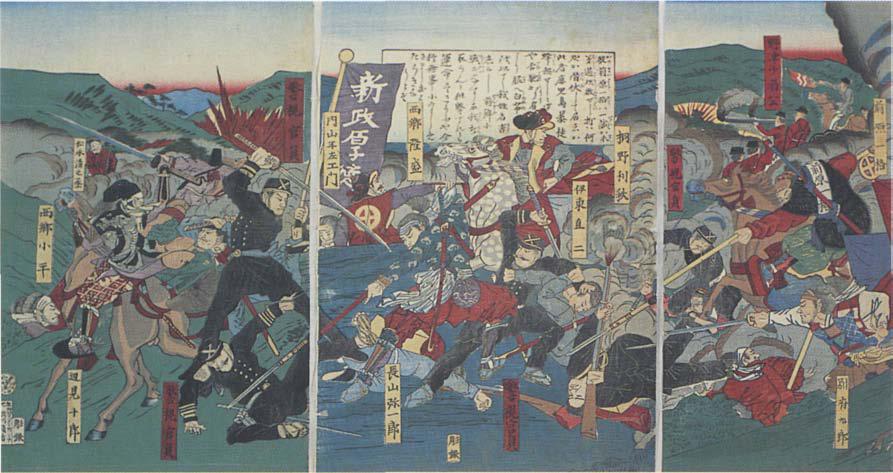
Two hundred years after Shimabara, Japan was undergoing radical change with the Meiji Restoration (1868). The new government, in its efforts to modernize the country, dismantled the feudal system and stripped the samurai of their privileges, including their right to carry swords and receive stipends from the state.
This caused widespread dissatisfaction among former warriors, particularly in Satsuma, a traditional stronghold of samurai power. Led by Saigō Takamori, a highly respected former general, thousands of samurai rebelled against the Meiji government in what became the last major samurai uprising.
The Satsuma Rebellion began in 1877 with attacks on government garrisons and a march towards Tokyo. However, the Meiji government, now equipped with a modernized military and advanced artillery, was able to contain the rebellion. The final battle took place at Shiroyama, where Saigō Takamori and his followers, armed mainly with katanas and outdated firearms, faced off against the imperial army. Despite their valor, the samurai were ultimately defeated, and Saigō Takamori died in battle, becoming a legendary symbol of the samurai’s last stand.
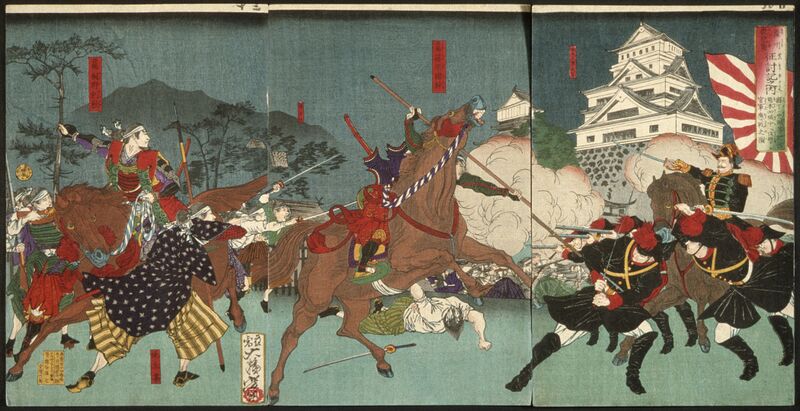
The Shimabara and Satsuma rebellions reflect Japan’s transformation process. While the first represented an early challenge to the shogunate’s power, the second marked the definitive end of the samurai as a political and military force.
With the Meiji government’s victory in 1877, Japan quickly moved towards modernization, adopting a Western-style military system and eliminating the remnants of the feudal era. The samurai, who had once ruled the country, became obsolete in a Japan that was now looking towards the future.
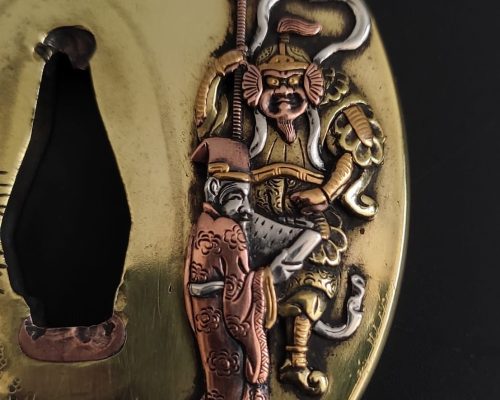
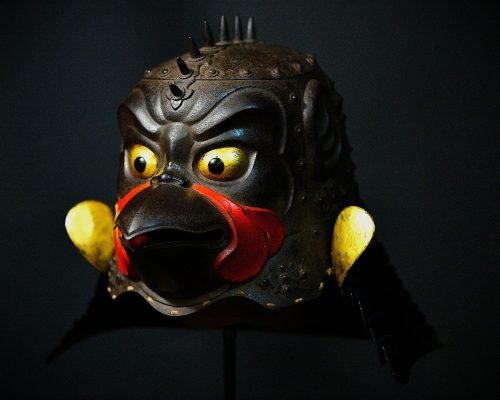
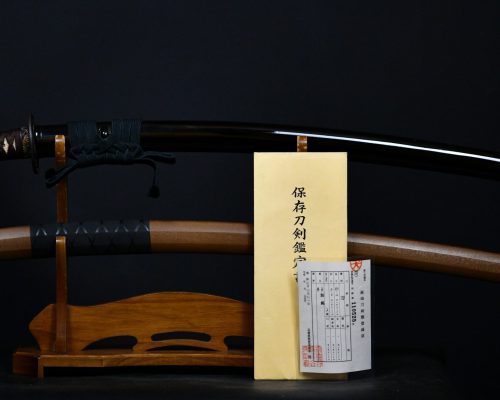
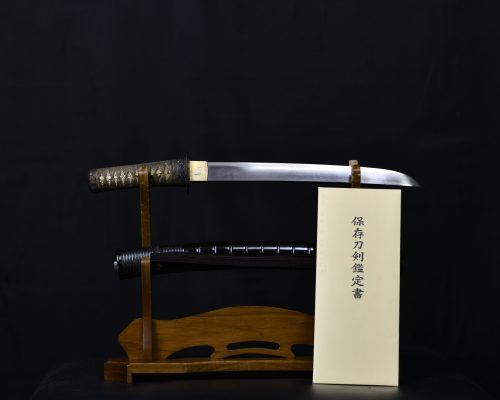
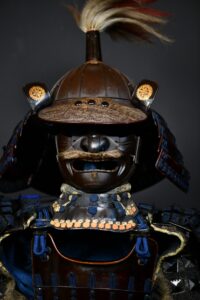
The samurai rebellions were fought by warriors wielding weapons and armor that are now treasured collector’s items. At Supein Nihonto, enthusiasts of samurai history can find authentic katanas, wakizashis, and naginatas from this period of transition.
For example, the katanas used in the Satsuma Rebellion were traditionally forged but adapted for modern warfare, featuring reinforced hilts and more durable blades. Likewise, late Edo-period samurai armor was designed to be lighter, allowing for greater mobility in battle.
Each of these pieces is not just a collector’s item but a testament to Japan’s history and the struggle of the last samurai to preserve their legacy. Through them, collectors can experience the spirit of Bushido and honor the memory of these warriors who resisted change until the very end.

CEO of SupeinNihonto, dealer and collector of ancient Japanese art and weapons from Canillo, Andorra.