FREE EXPRESS INTERNATIONAL DELIVERY
- Residencial Les Moles, Canillo AD100, Andorra

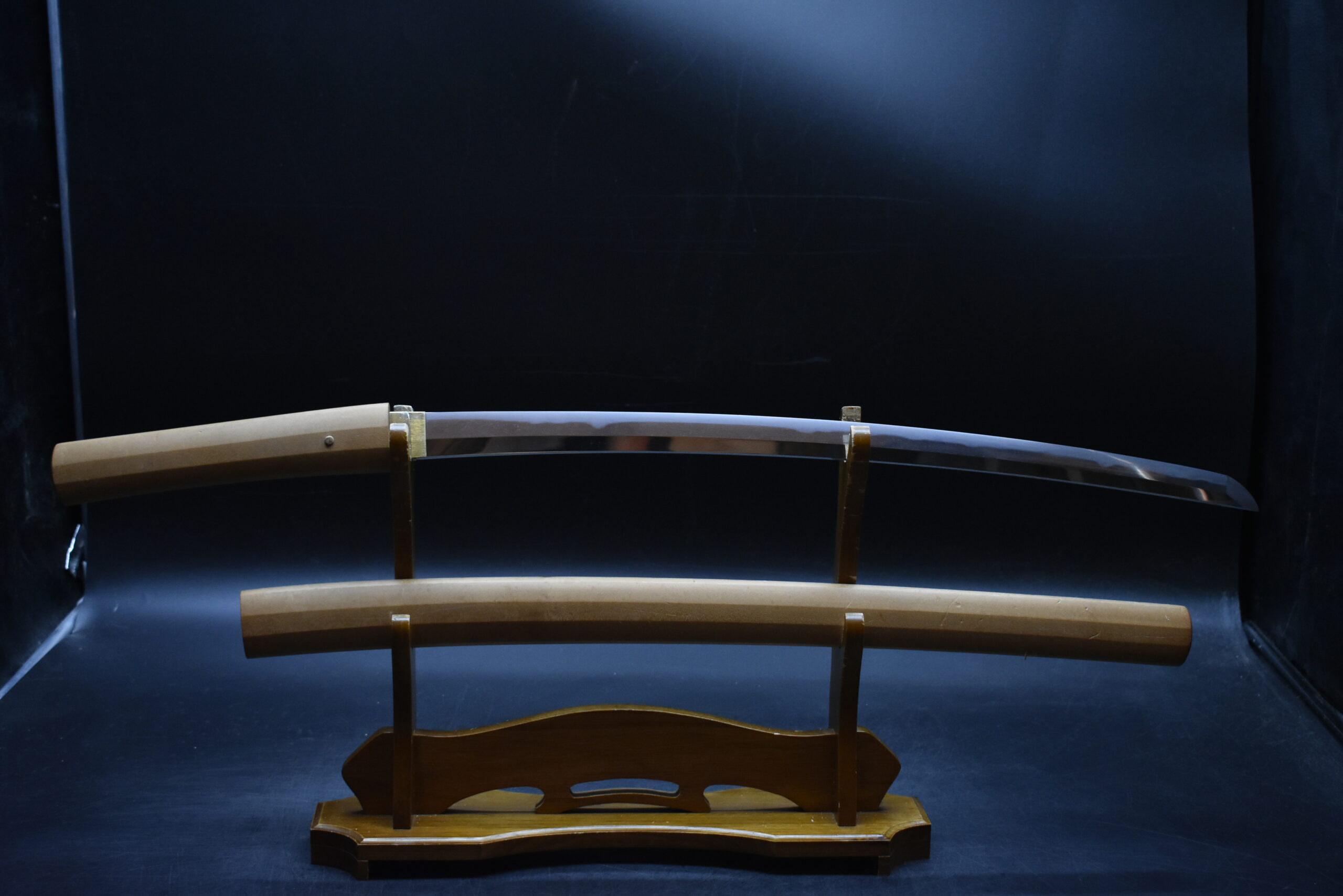
In the exciting world of the katana, each part has its own history and meaning, contributing to the uniqueness and beauty of this iconic Japanese sword. From the distinctive boshi to the swordsmith’s signature, each element of a katana offers a window into the masterful craftsmanship and rich tradition surrounding this iconic weapon. Let’s explore these parts and their importance in the context of a katana:
Boshi: The boshi refers to the tip of the katana blade, near the sword’s point. This part can vary in shape and style depending on the swordsmith and the technique used in its forging. The boshi can be straight, irregular, or even have a semicircular shape, and is often a distinctive feature used to identify the authenticity and quality of a katana.

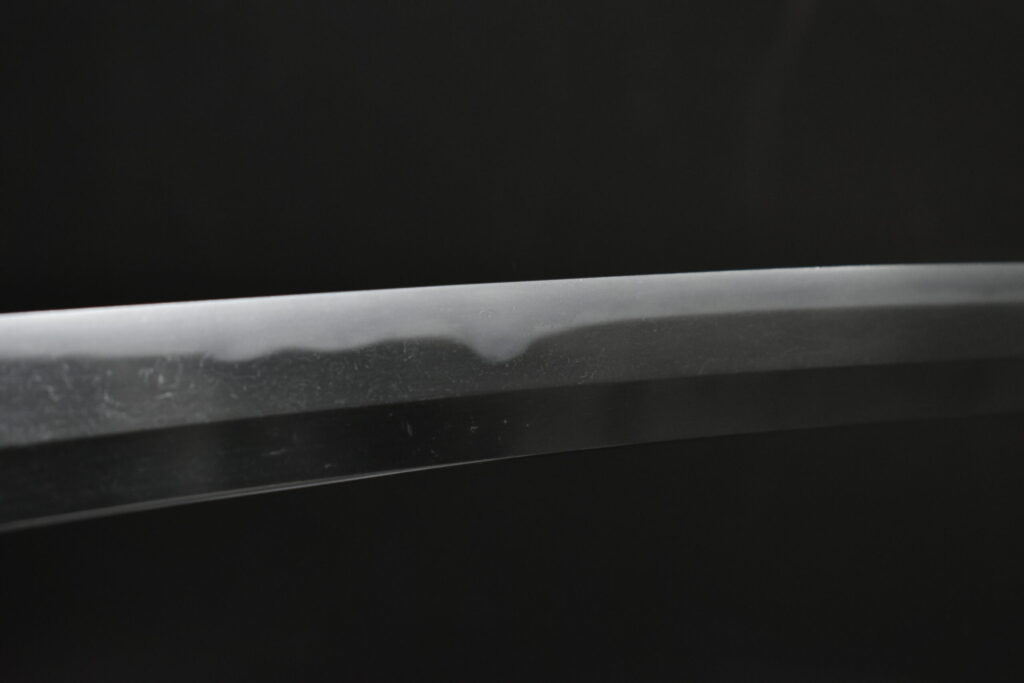
Hamon: The hamon is the visible pattern on the katana blade resulting from the process of differential hardening, known as yaki-ire. This pattern is created by applying special clay to the blade before heating it and then rapidly cooling it in water. The hamon can vary in complexity and design, from smooth, wavy lines to intricate patterns that reflect the skill of the swordsmith.

Jihada: The jihada refers to the texture visible on the surface of the katana blade, resulting from the different materials used in its forging. These materials can include high-carbon steel, iron, and other elements that are combined and welded together during the manufacturing process. The texture of the jihada can range from fine and uniform grains to more pronounced and contrasting patterns.
Horimono: Horimono, a Japanese carving technique, is a form of art in which intricate and detailed designs are carved into the blades of Japanese swords, such as katanas and tantos. These carvings can depict a wide variety of themes, ranging from floral and animal motifs to historical and mythological scenes. The tradition of horimono dates back centuries and has evolved over time, incorporating refined techniques and distinctive styles.
Hi: The hi is a channel or groove carved into the katana blade, usually on one or both sides, near the spine. This groove not only adds a distinctive aesthetic to the blade but also serves a practical function in reducing air resistance during cutting and relieving pressure on the blade during the forging process.

Mune: The mune is the back or spine of the katana blade, extending from the habaki (sword collar) to the kissaki (sword point). The mune can have different shapes and profiles, such as mune-machi (notched mune) or mune-saki (pointed mune), which affect both the aesthetic and functional aspects of the sword.

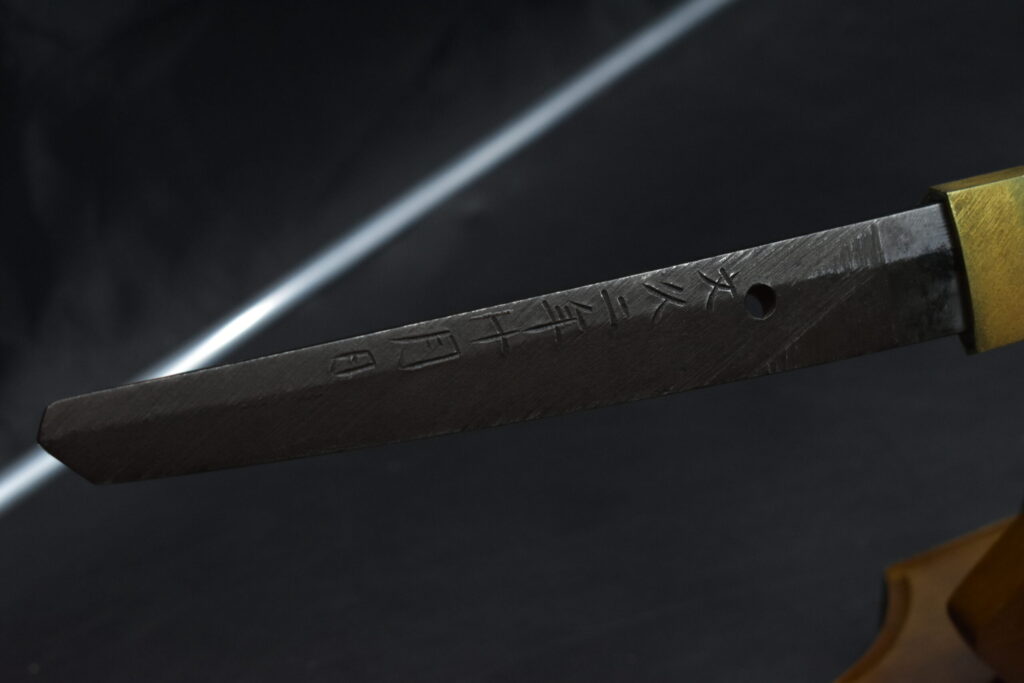
Mei: The mei is the signature or mark of the swordsmith inscribed on the tang of the katana blade. This signature may include the name of the swordsmith, the name of the school or workshop where the sword was made, as well as the date of manufacture. The mei not only serves as a way to identify the authenticity and provenance of a katana but can also be a mark of pride and distinction for the swordsmith and their lineage.

Each of these parts plays an important role in the functionality, aesthetics, and meaning of a katana, coming together to form a work of art that transcends its function as a weapon to become a symbol of Japanese culture and the samurai spirit.

CEO of SupeinNihonto, dealer and collector of ancient Japanese art and weapons from Canillo, Andorra.